

Explore Our Tours
San Francisco Chinatown History, Culture, And Food Tour from 9 am to 12:30 pm
Tour Information:
Ages 0-100
Min of 2, max of 15 per group
Duration: 3.5 hours
Mobile or paper ticket accepted
Live guide: English
Advanced bookings are required.
Last-minute booking call
1-415-728-3935
Ticket prices:
Senior: 65-100 $85
Adult: 17-64 $85
Youth: 6-16 $75
Child: 2-5 $00
Infant: 0-1 $00
Included:
Professional guide
A bottled water
Chinese bakery
Fortune cookies
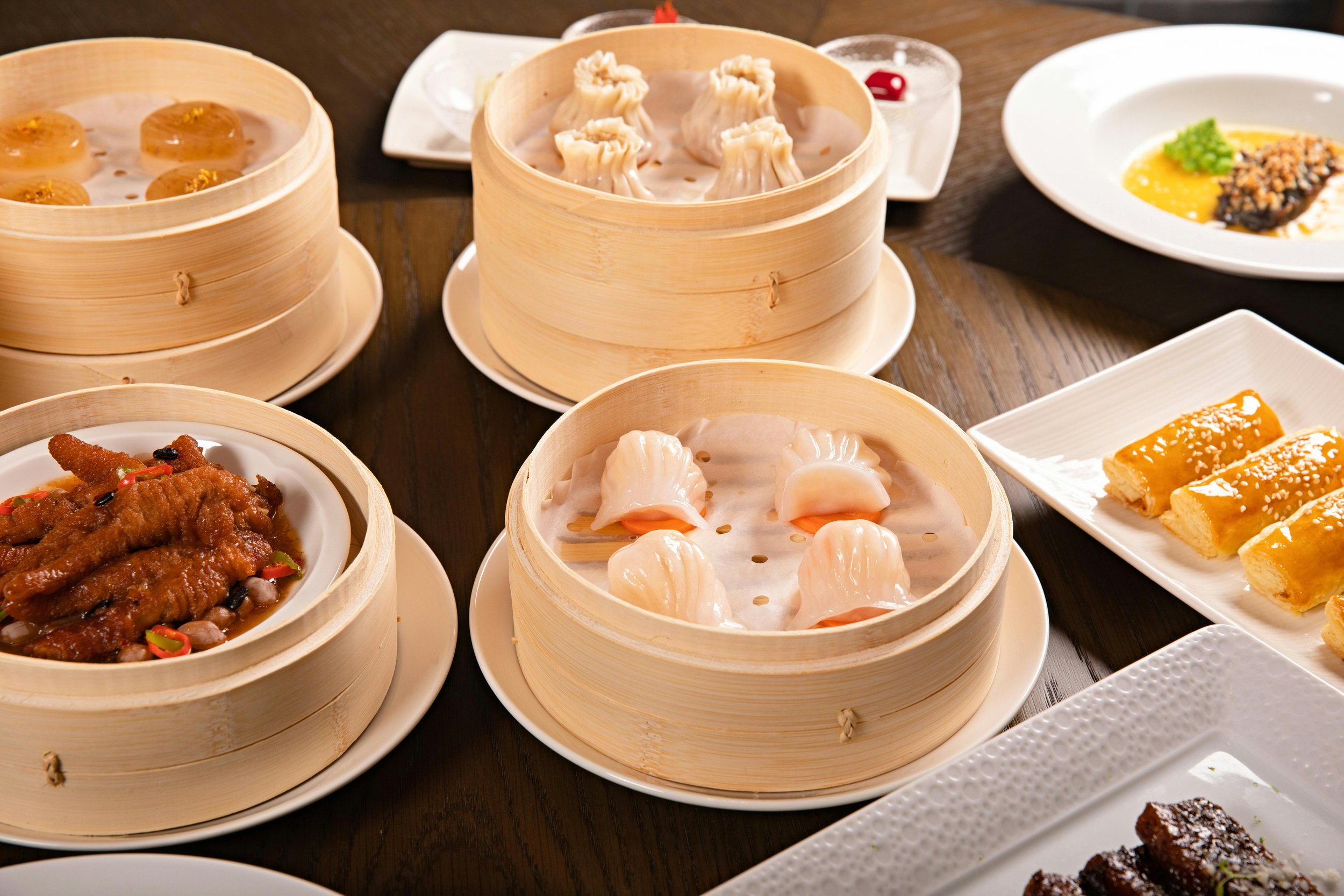
Dim sum
Chinese lunch
Tea tasting
Chinese fruits
Free admission
Itinerary:
-
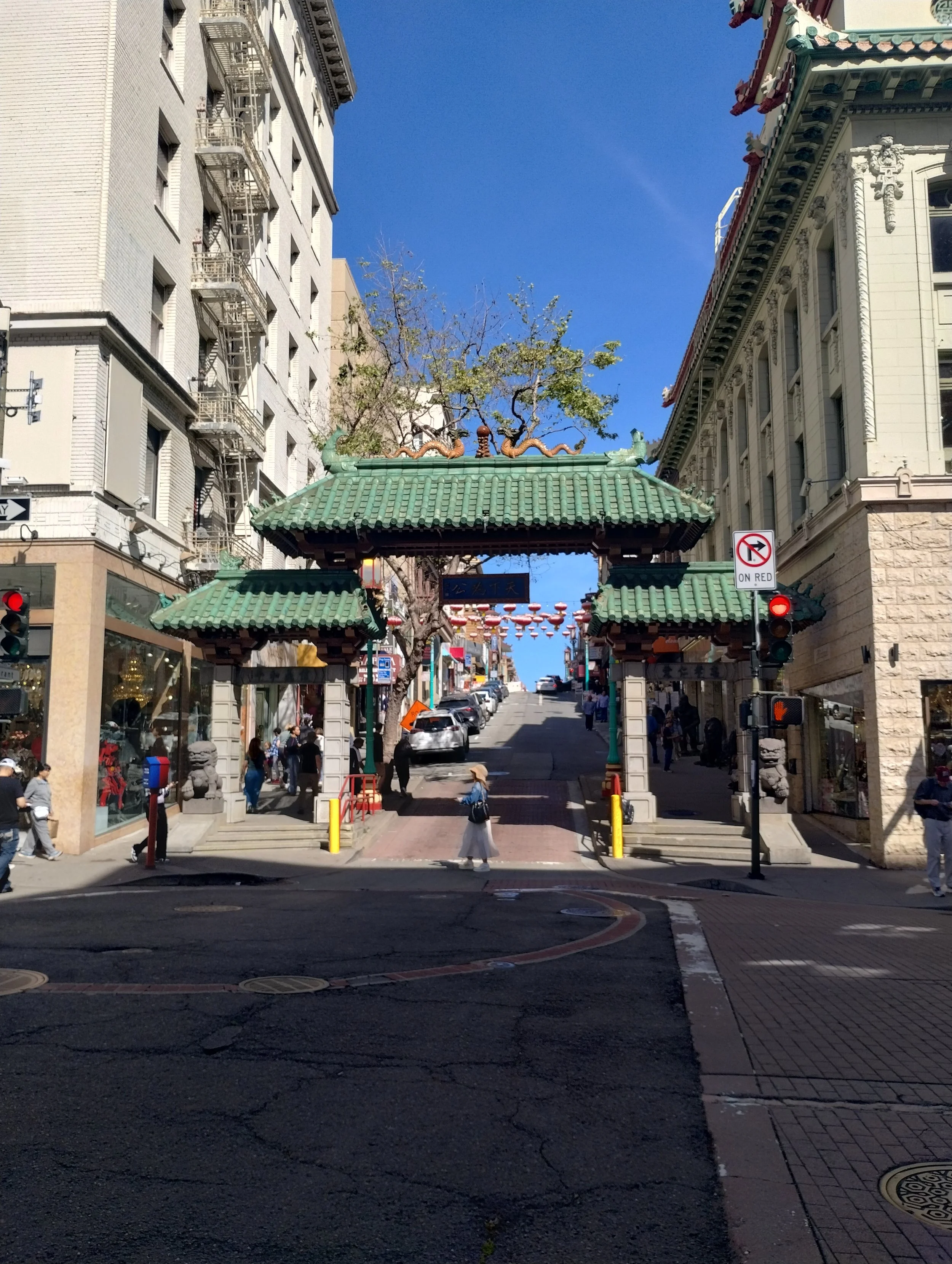
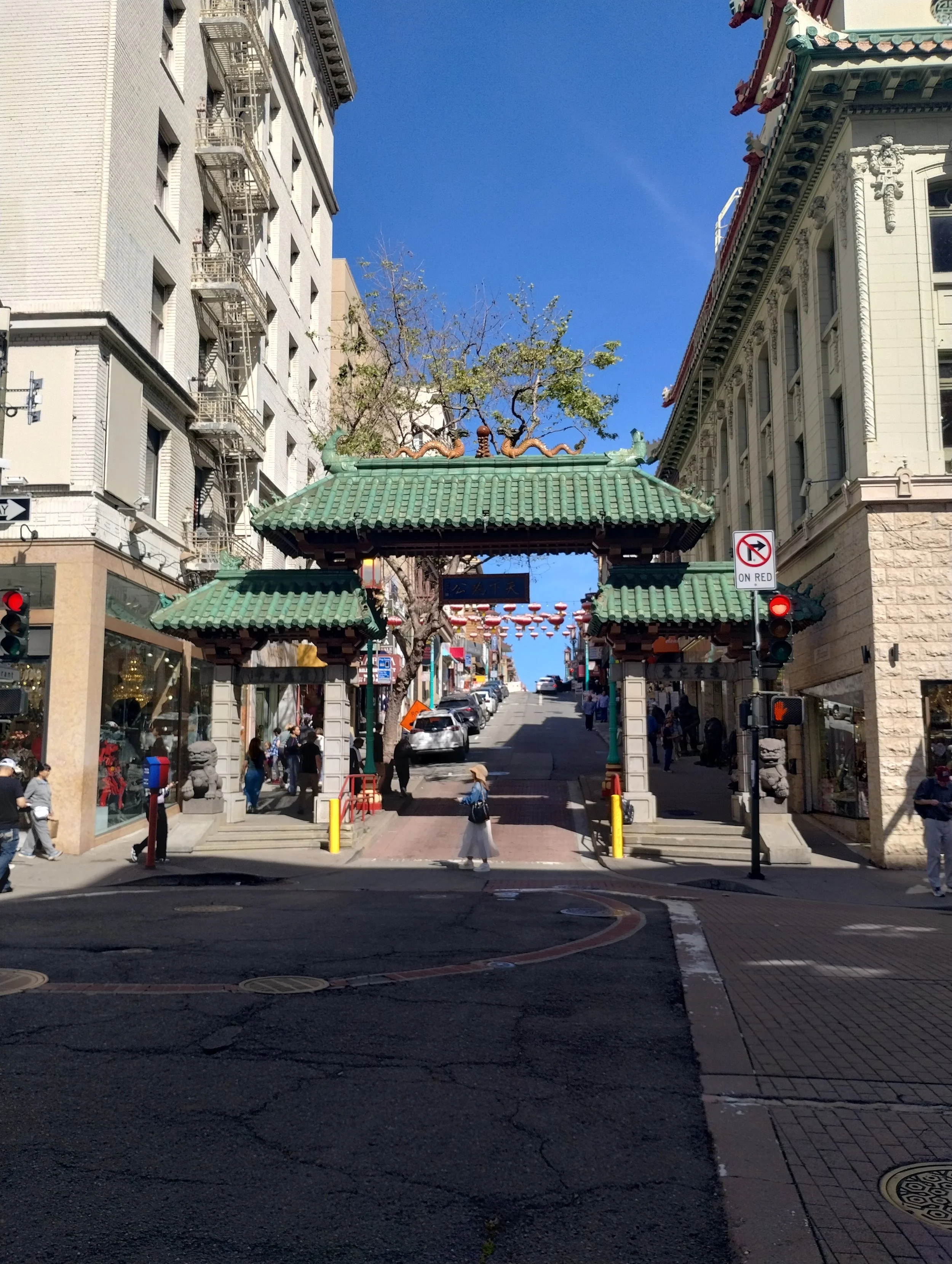
This gate was completed in 1970 as a gift from Taiwan to San Francisco. Before this, Chinatown didn’t have a formal entrance. The community wanted a landmark that would both honor Chinese heritage and invite visitors into the neighborhood. Over time, it became one of the most photographed locations in Chinatown.
-
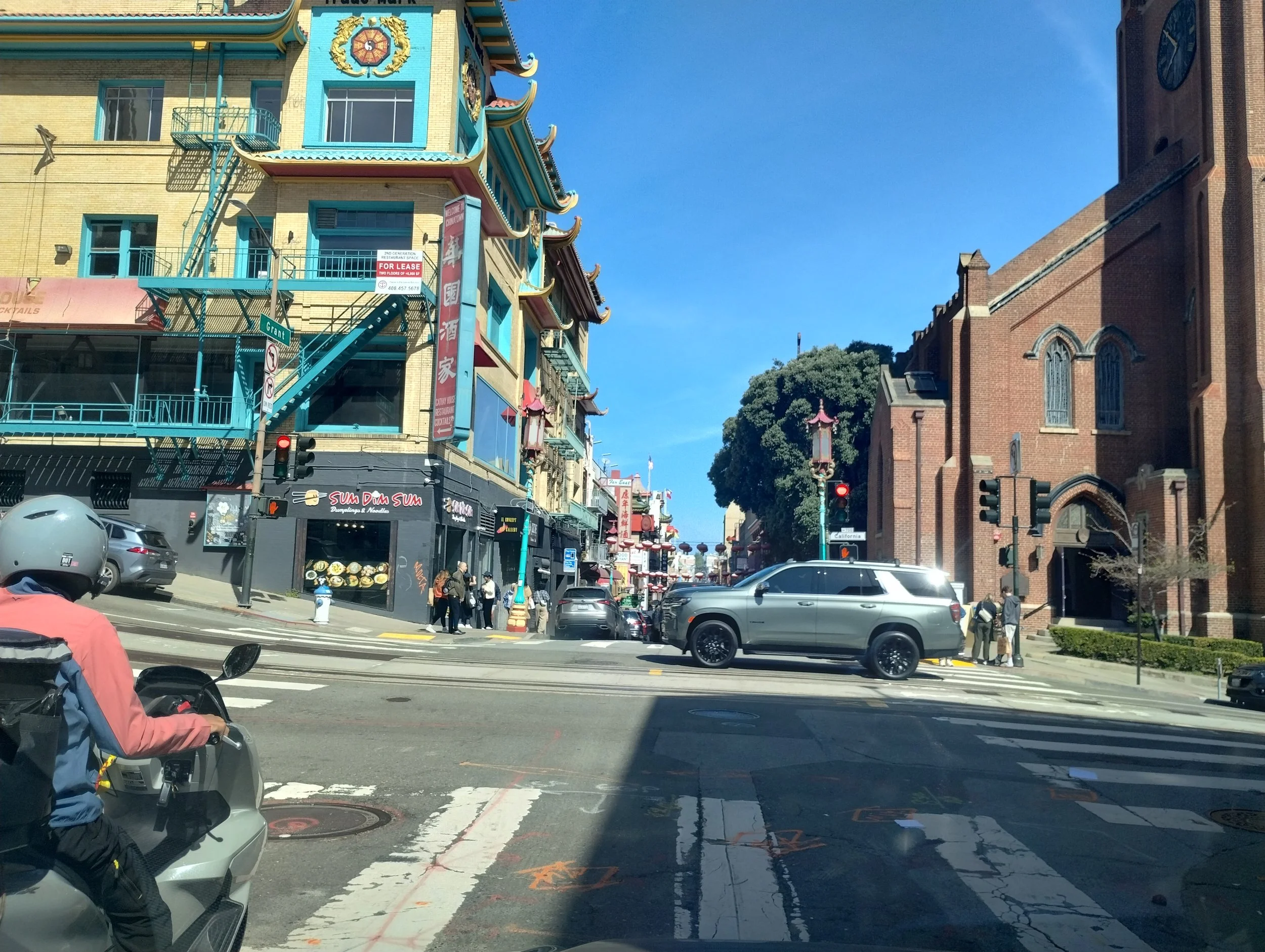
The avenue began as a plank path during the Gold Rush in 1849, when thousands of fortune seekers flooded into San Francisco. Grant Avenue is also home to some of the oldest businesses in Chinatown. Herbal shops, tea stores, souvenir stands, and family-owned restaurants line both sides of the street.
-
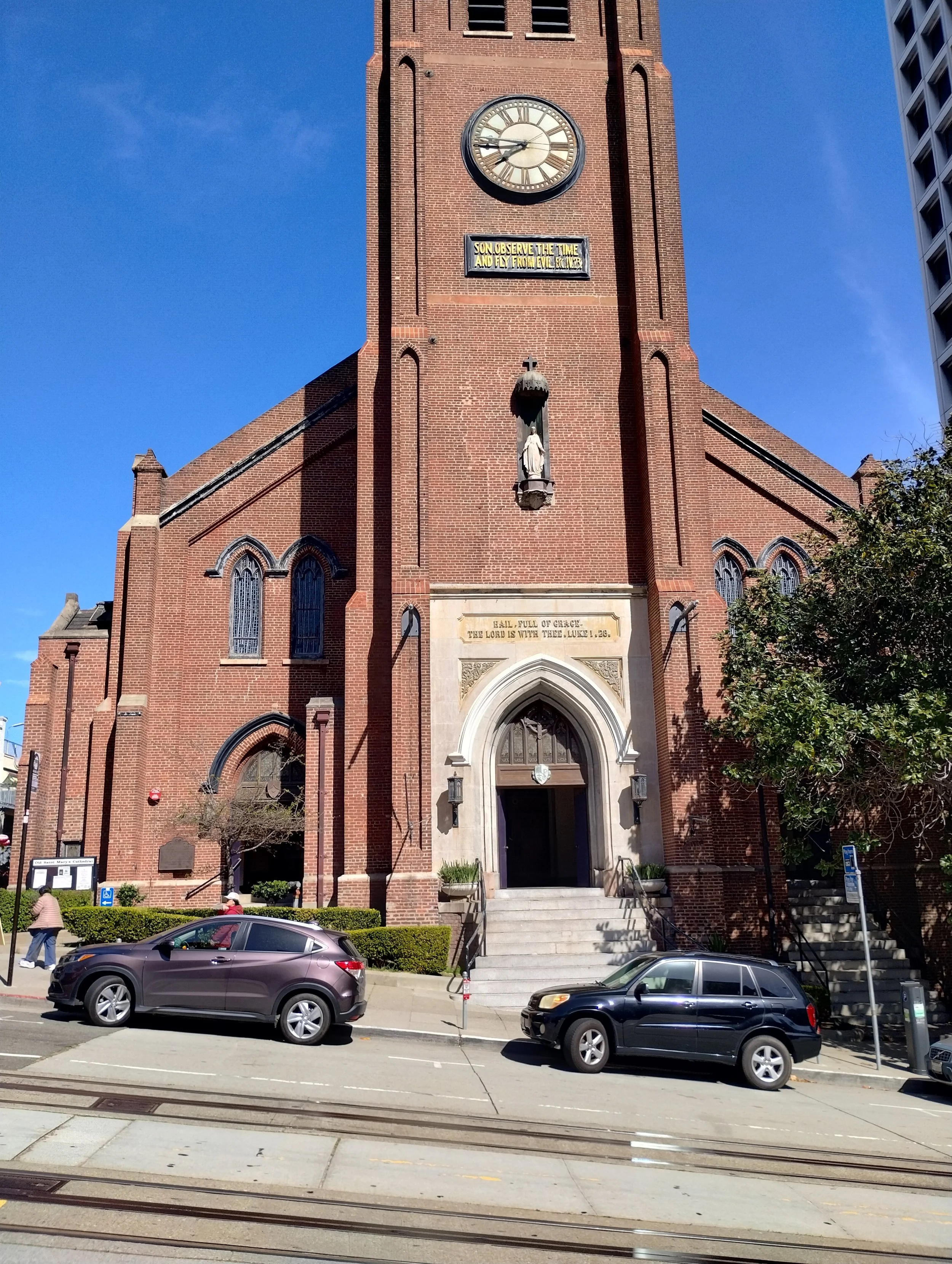
It was built in 1854 by Chinese laborers and Irish immigrants, right in the heart of what was then a rough and rapidly growing Gold Rush city. At the time, this neighborhood was filled with gambling halls, opium dens, and lawlessness. The church leaders wanted this cathedral to be a moral anchor in the middle of chaos.
-
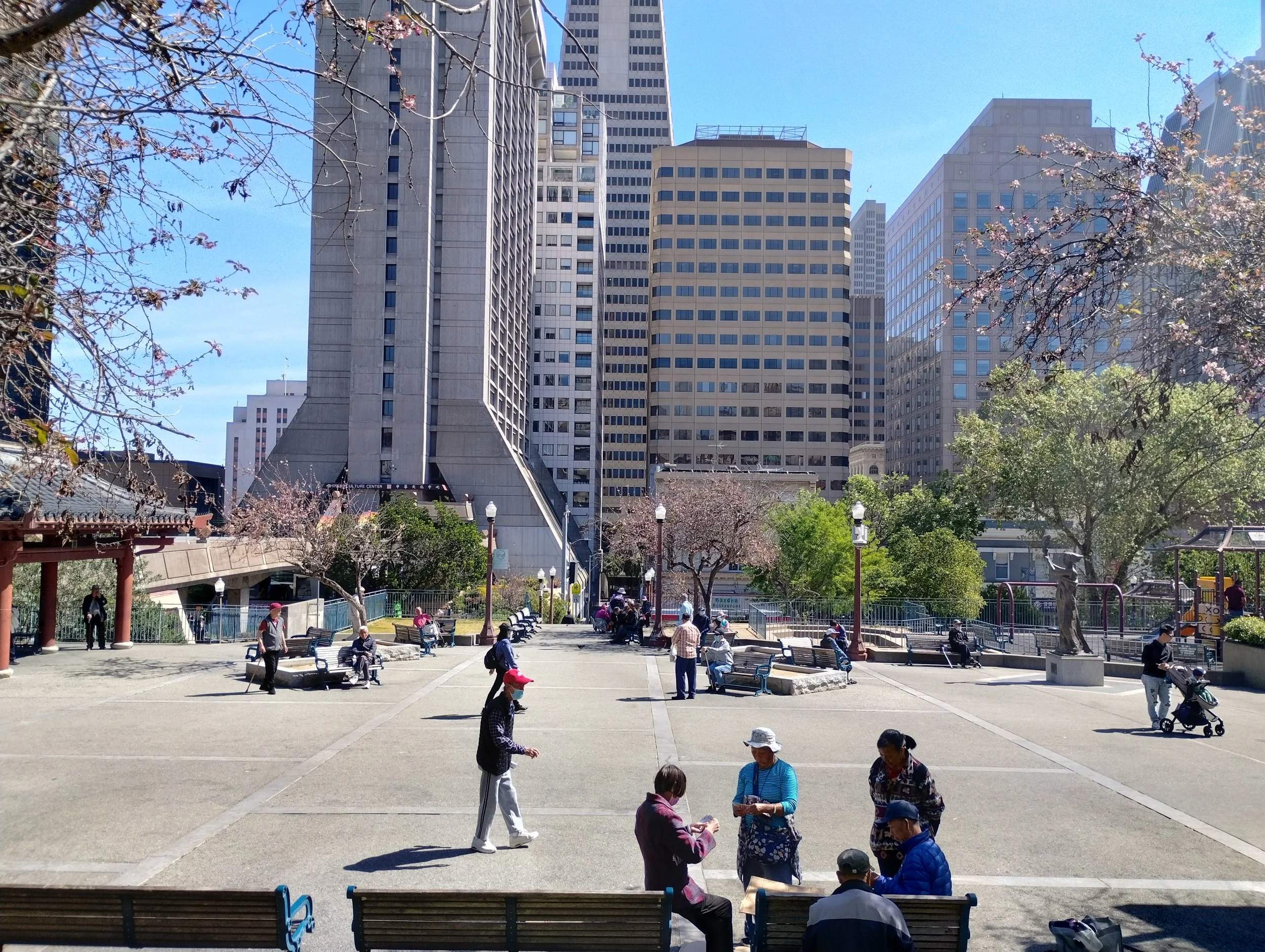
Many years before Chinatown existed, this was the exact spot where the city of San Francisco began. In 1846, during the Mexican–American War, John B. Montgomery sailed into the bay aboard the USS Portsmouth and raised the American flag here, claiming the town of Yerba Buena for the United States. Shortly after, the town was renamed San Francisco. Just a few years later, the Gold Rush exploded, and this plaza became a gathering place for fortune seekers from around the world.
-
Many years before Chinatown existed, this was the exact spot where the city of San Francisco began. In 1846, during the Mexican–American War, John B. Montgomery sailed into the bay aboard the USS Portsmouth and raised the American flag here, claiming the town of Yerba Buena for the United States. Shortly after, the town was renamed San Francisco. Just a few years later, the Gold Rush exploded, and this plaza became a gathering place for fortune seekers from around the world.
-
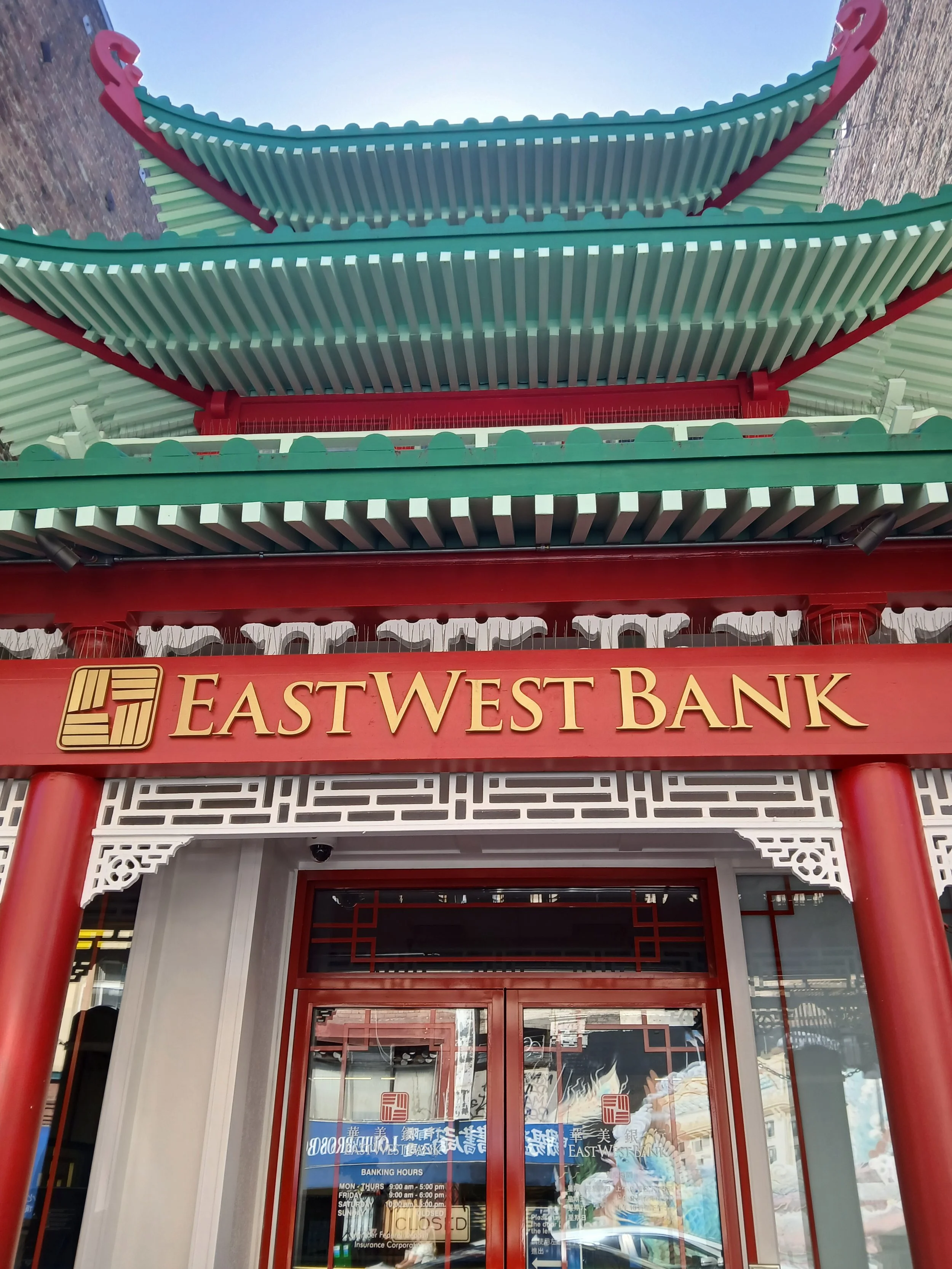
The Chinese Telephone Exchange in San Francisco was created in the late 1800s to help Chinese residents communicate when they were excluded from mainstream phone services. The Chinese community created its own solutions. The building became home to a special telephone exchange where operators spoke Cantonese and Mandarin. Instead of dialing numbers, callers would simply ask for a person by name, a business by description, or even a family nickname.
-
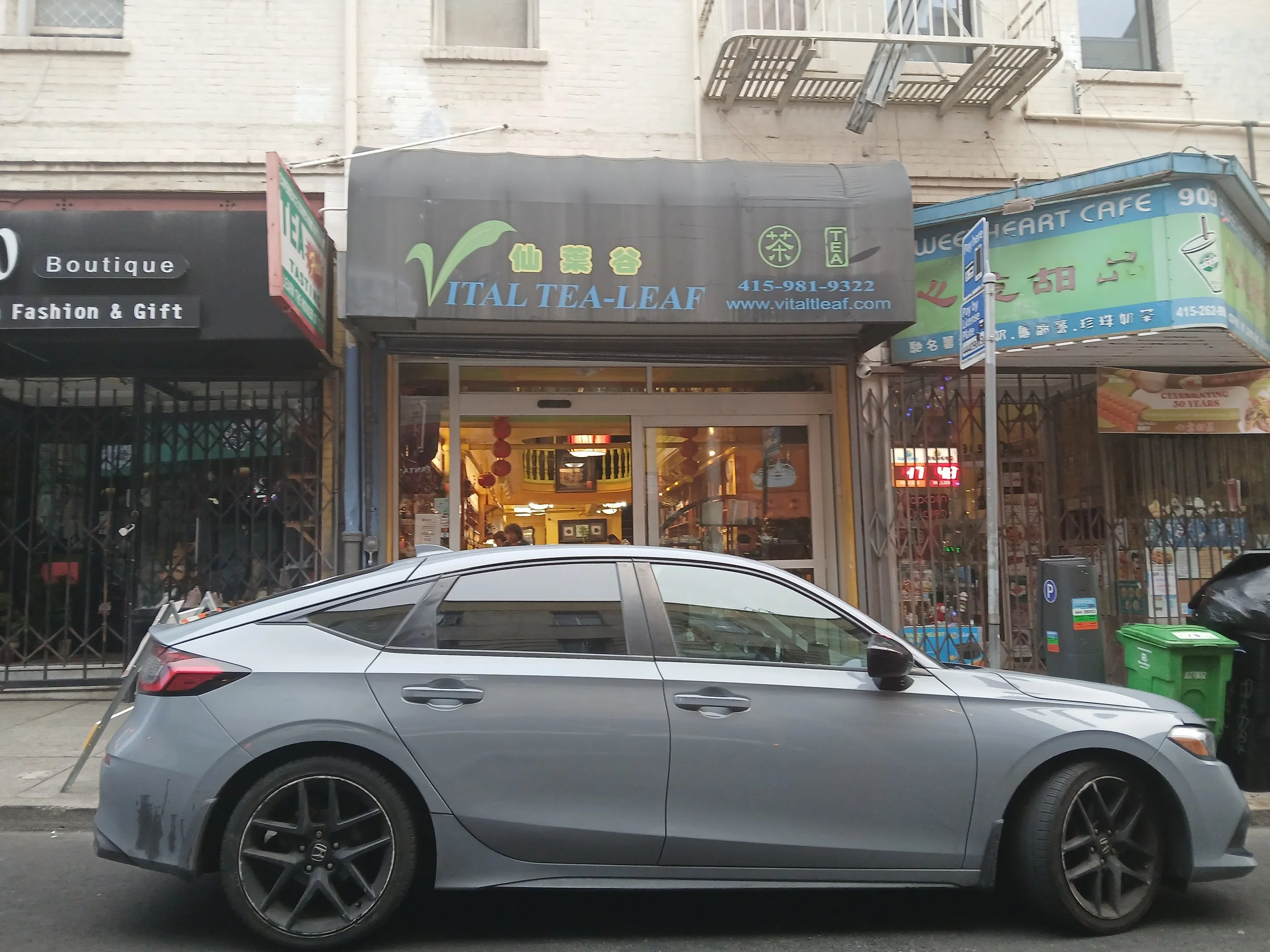
Vital Tea Leaf, which opened the first tea shop in SF Chinatown in 2007, offers over 100 varieties of premium loose-leaf Chinese and Taiwanese teas, ranging from everyday blends to rare, aged options. It’s well known for its traditional Chinese lounges, where employees bring people together, creating moments of comfort, conversation, and connection by offering a great tea tasting, sharing superior technique terminology and its effective health benefits.
-
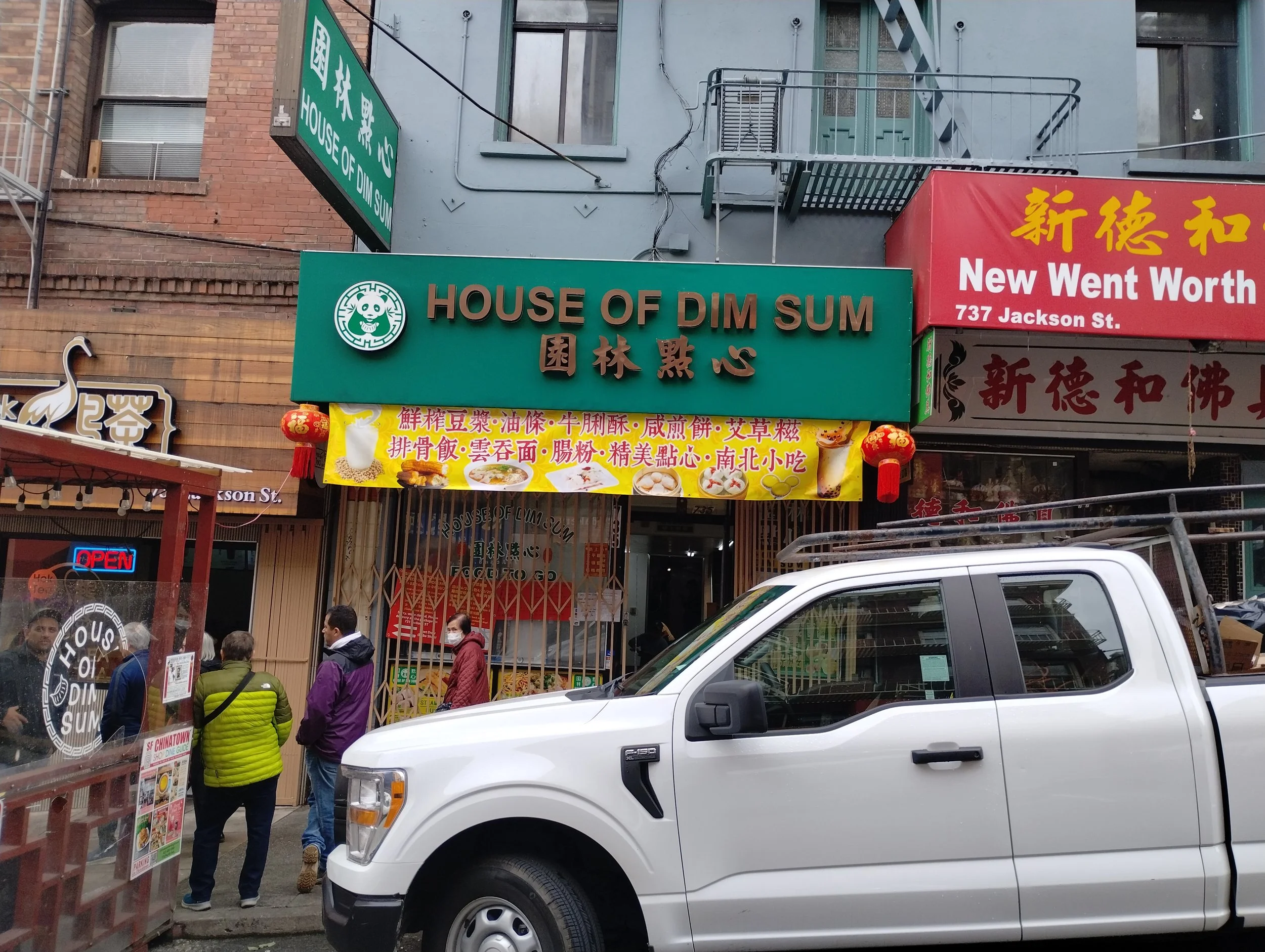
This is not a fancy place, and that’s exactly why people love it. It’s a classic, no-frills dim sum shop where the focus is completely on the food. You’ll see trays of freshly made dumplings, buns, and pastries lined up behind the counter, and the smell of steamed dough and roasted pork fills the air. Dim sum is a Cantonese tradition that means touch the heart. These are small bite-sized dishes meant to be shared with friends and family over tea.
-
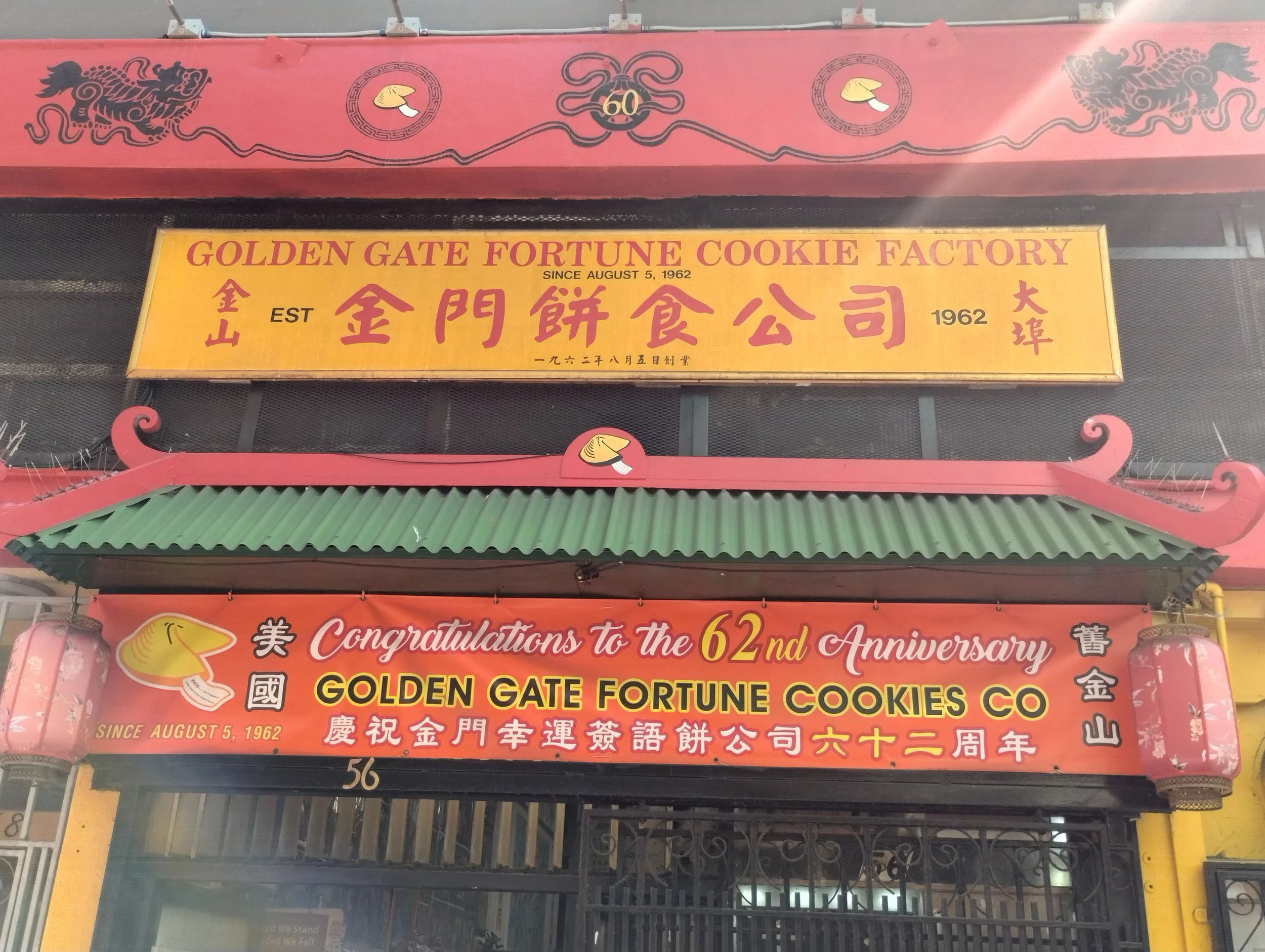
The cookie company was opened in 1962 and is owned by Franklin Yee. They make traditional fortune cookies, chocolate-flavored fortune cookies, almond cookies, and other sweets. Most people don’t know this fun fact. Fortune cookies are not originally from China. They were invented right here in California in the early 1900s and became popular in Chinese American restaurants. What you’re seeing is a uniquely Chinese-American tradition born in SF.
-
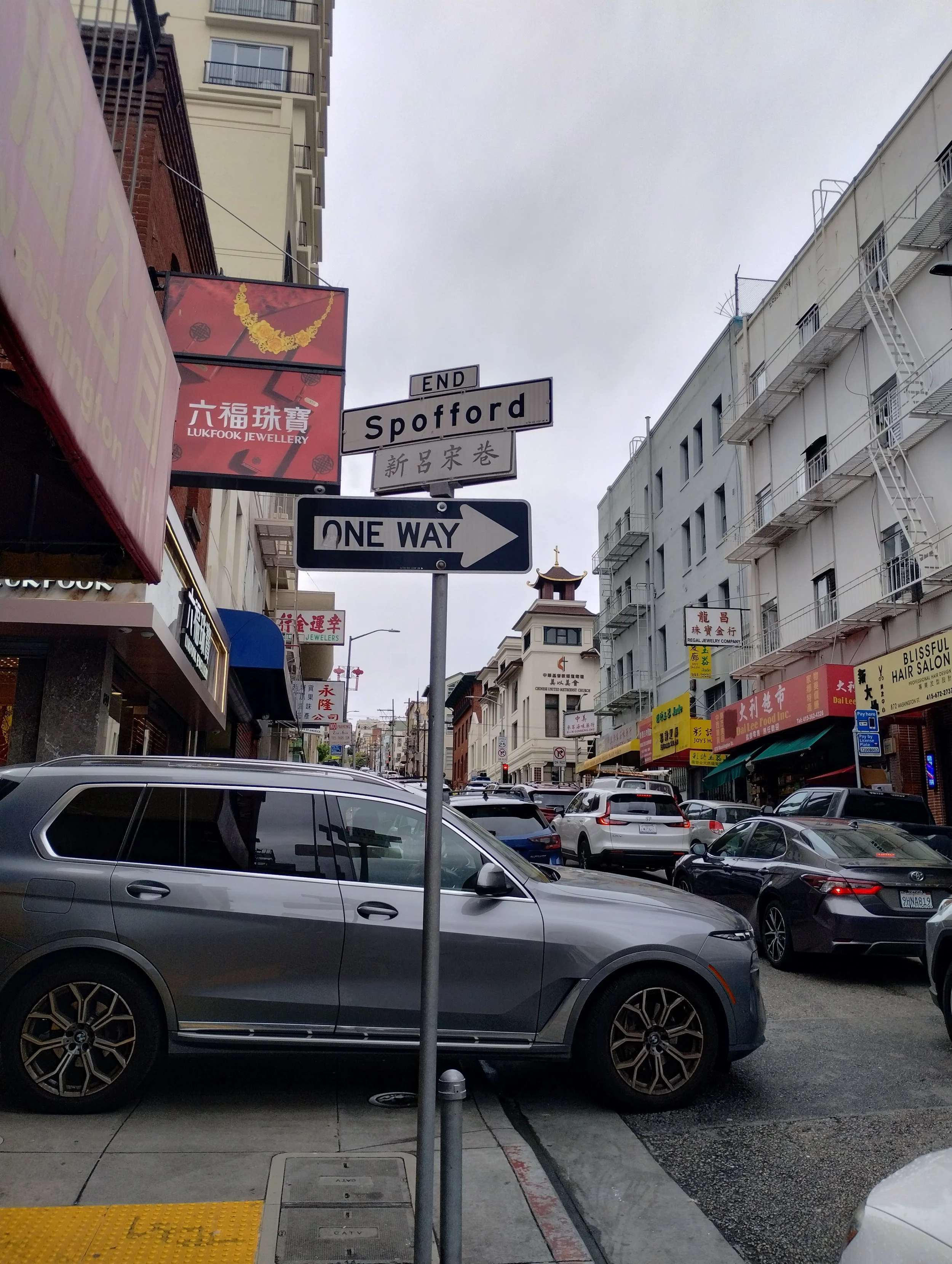
The narrow alley has an extraordinary connection to modern Chinese history. In the early 1900s, Sun Yat Sen, who was a revolutionary leader and later the first provisional president of the Republic of China, spent time here while living in San Francisco’s Chinatown. During his stays in the city, he met with supporters, raised funds, and organized revolutionary efforts aimed at ending the Qing Dynasty.
-
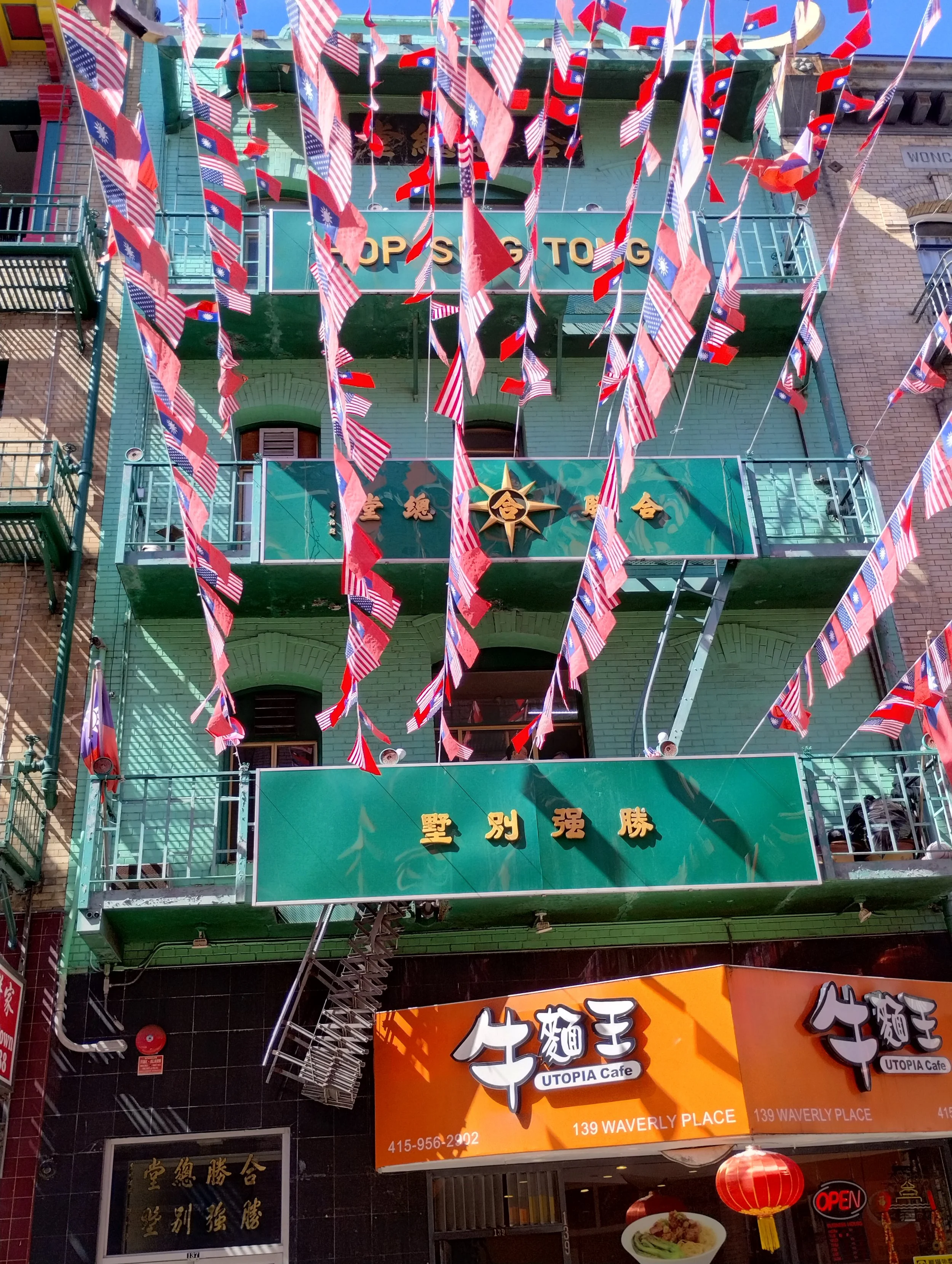
Hop Sing Tong was founded in the 19th century as a mutual aid society. For early Chinese immigrants who faced discrimination, language barriers, and exclusion from many jobs, tongs like this provided housing, work connections, legal help, and protection. They were a social safety net when few others existed. But tongs were also at the center of the famous “Tong Wars” of the late 1800s and early 1900s. Rival groups competed for influence, sometimes violently, over gambling, territory, and community control.
-
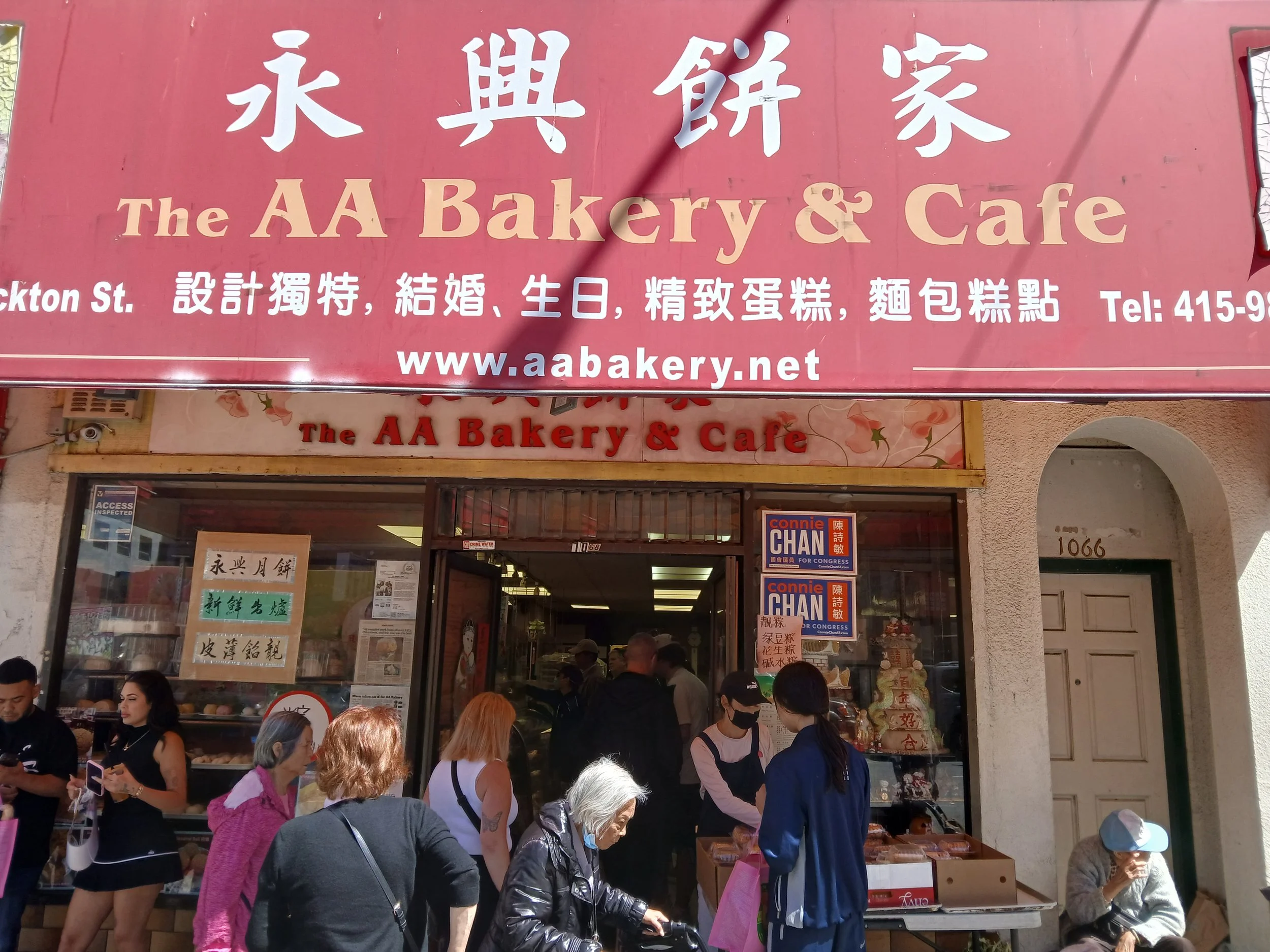
It is one of the best bakeries in San Francisco Chinatown and serves some of the city's best traditional Chinese pastries at incredibly affordable prices. Their legendary egg tarts are the star of the show, featuring a flaky, golden crust with a silky, lightly sweet custard filling. Many locals recommend getting them while they're still warm. The bakery also offers delicious pineapple buns, BBQ pork buns, coconut cream buns, sesame balls, sponge cakes, and a wide variety of classic Cantonese baked treats.
-
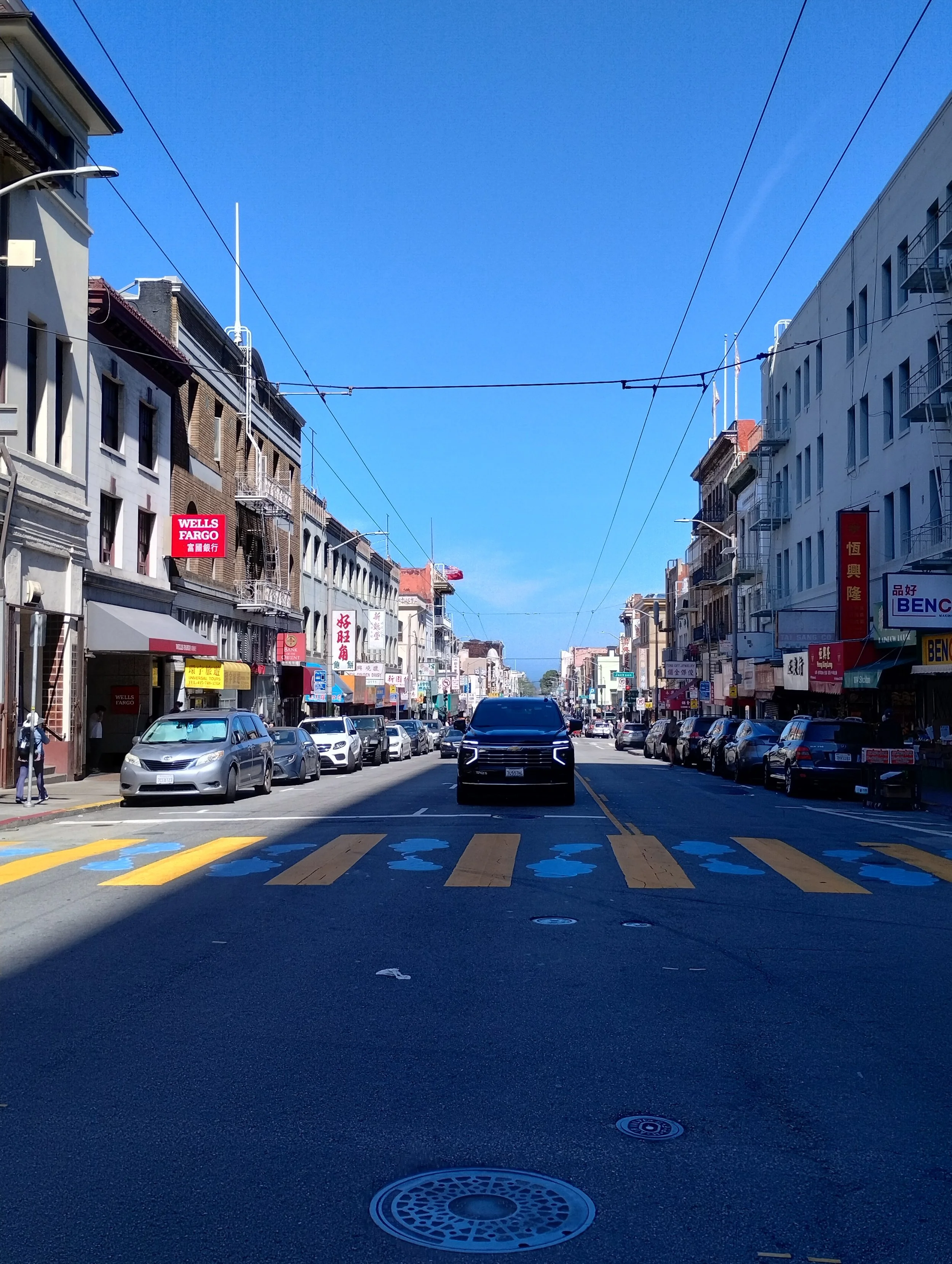
The street, which is a north-south street in San Francisco, begins at Market Street. The real main street of San Francisco is Stockton Street, where the community actually shops, eats, bargains, and lives. In the late 1800s and early 1900s, Chinese immigrants faced heavy discrimination and were pushed into this neighborhood. Because they were excluded from many jobs and businesses elsewhere, they built their own economy right here on streets like Stockton.
-
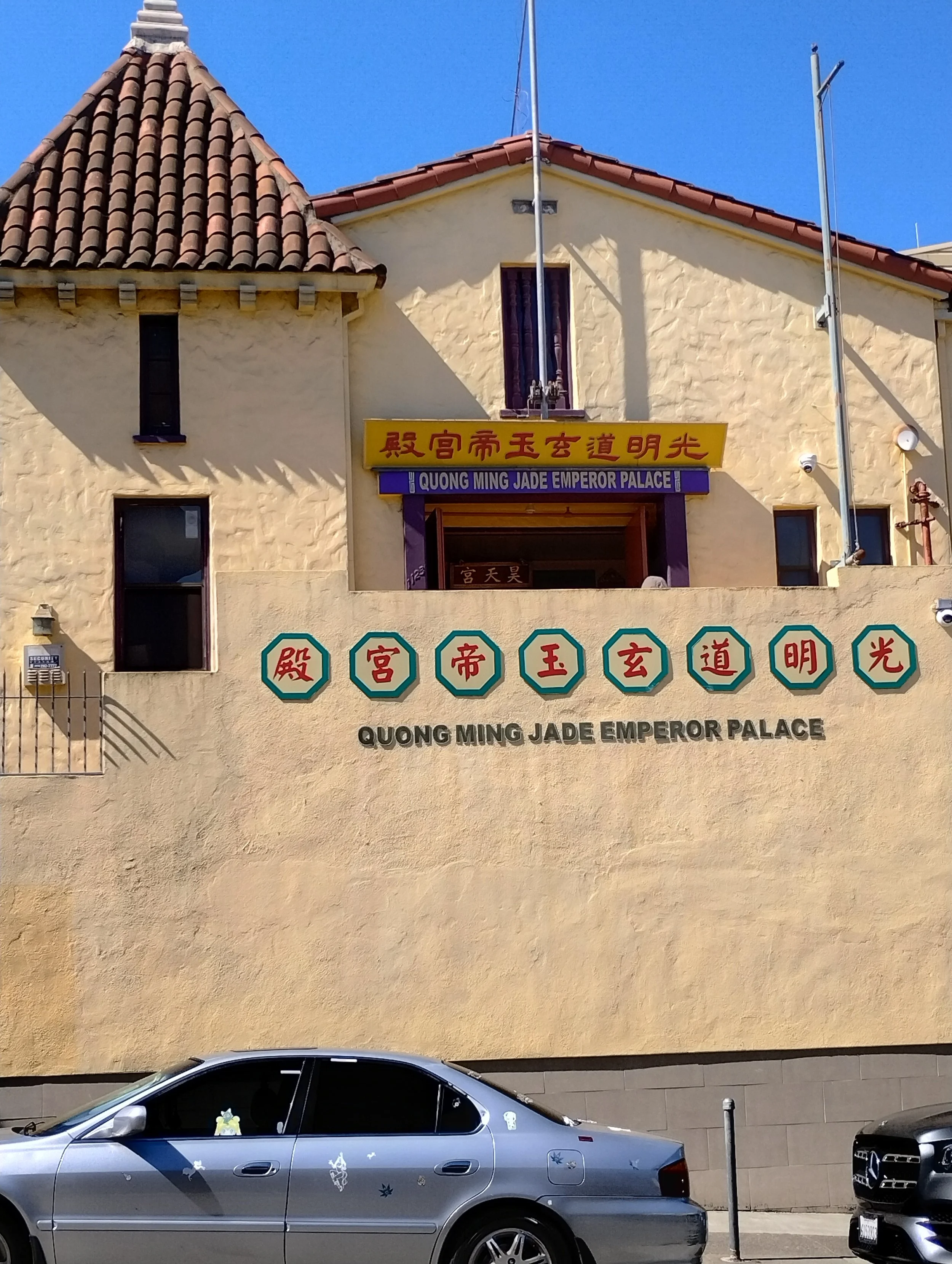
It is one of the oldest and most important Chinese temples in San Francisco Chinatown. This temple was built in the late 1800s by Chinese immigrants who came here during the Gold Rush and railroad era. Many of them were far from home, facing discrimination and hardship. Places like Quong Ming Jade Emperor Palace were not just for prayer. They were community centers, places of comfort, hope, and connection to their traditions.
-
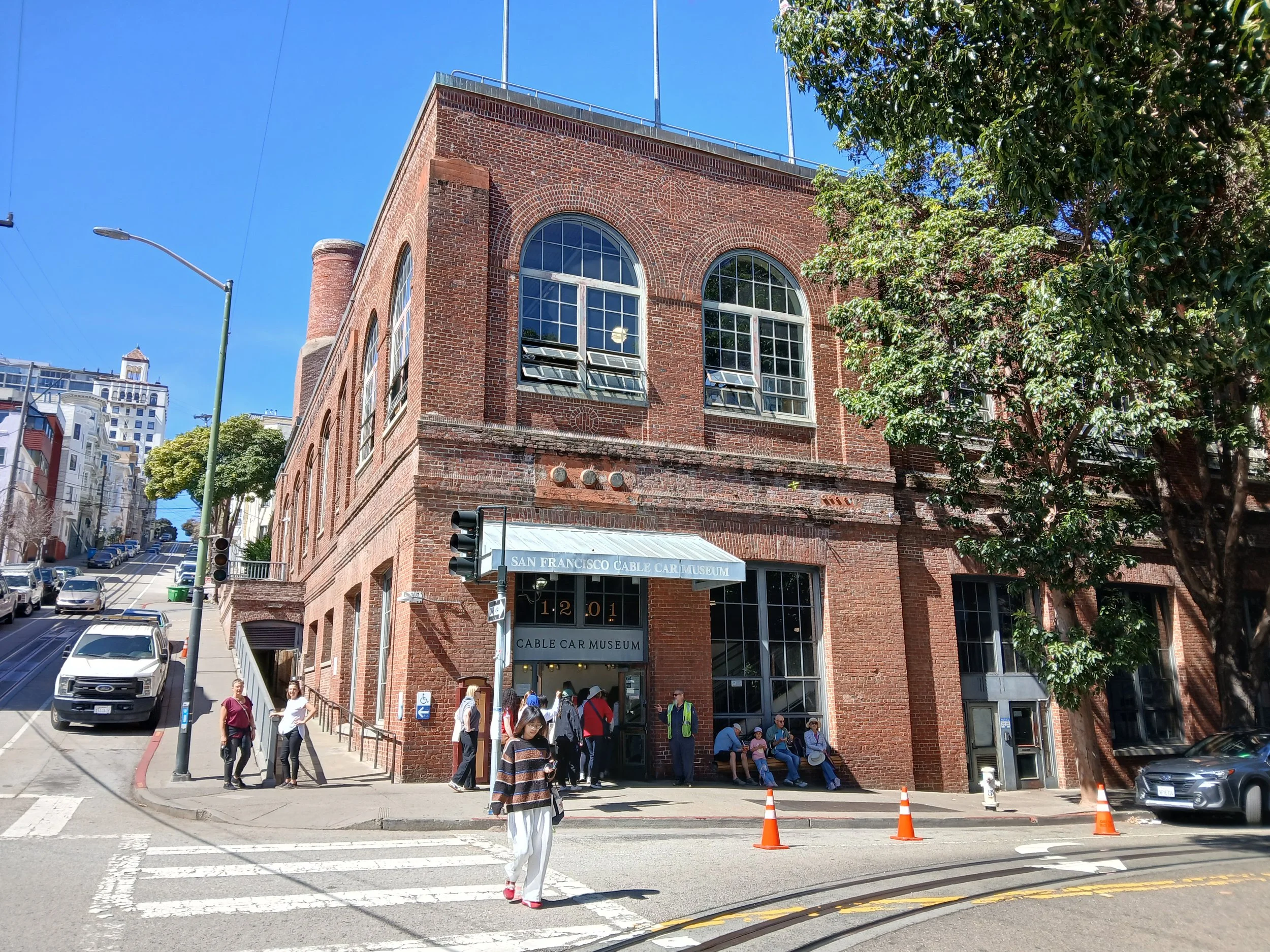
What makes this place so special is that this is not just a museum. This is the actual, working powerhouse that still runs San Francisco’s cable cars today. This system was invented here in San Francisco in 1873 after a tragic accident where horses slipped on the steep hills and were killed while pulling a streetcar. A man named Andrew Hallidie decided there had to be a better way, and the cable car system was born.
-
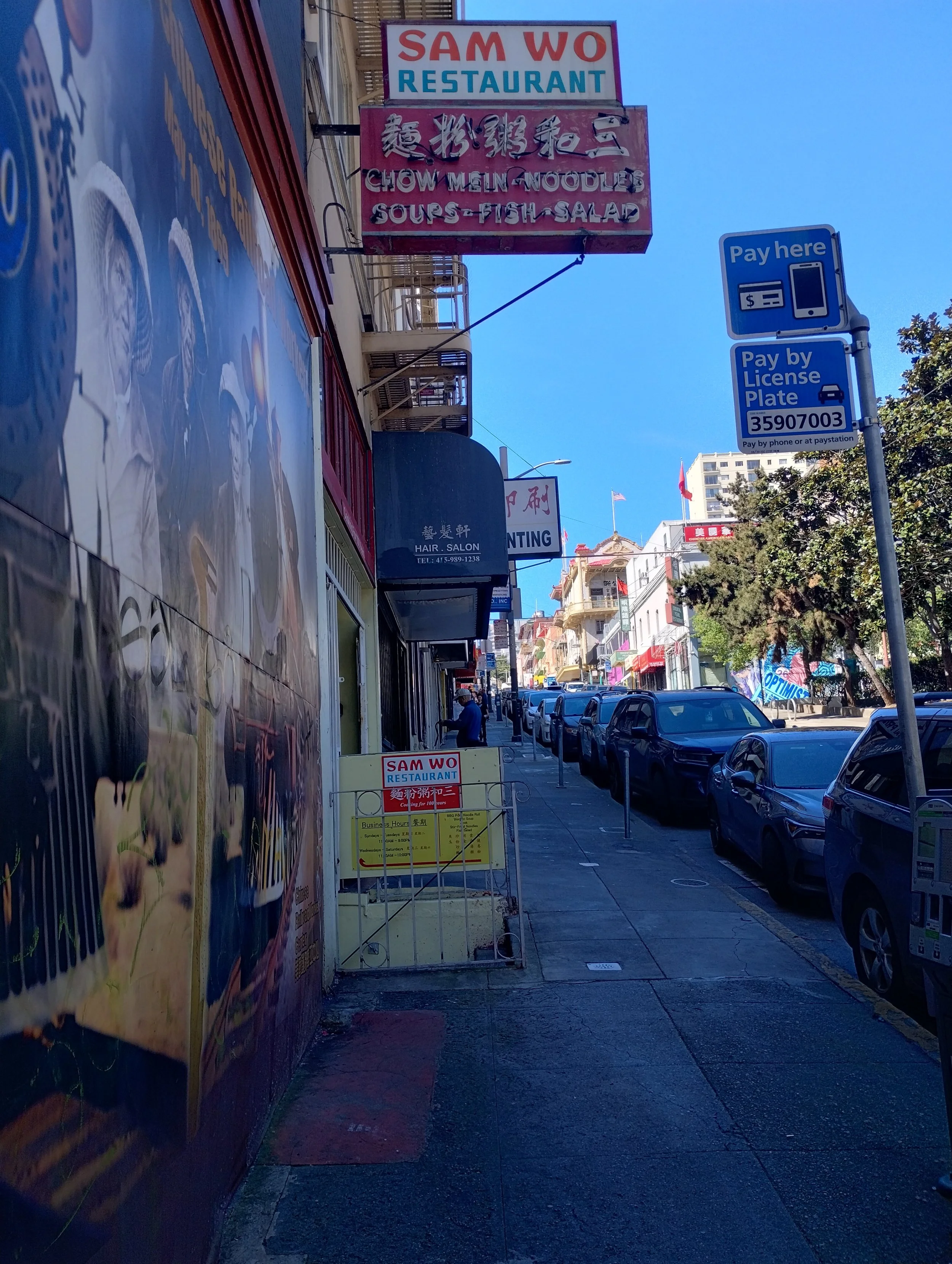
It is one of the oldest and most important Chinese temples in Chinatown. This temple was built in the late 1800s by Chinese immigrants who came here during the Gold Rush and railroad era. Many of them were far from home, facing discrimination and hardship. Places like this were not just for prayer. They were community centers, places of comfort, hope, and connection to their traditions.
San Francisco Chinatown History And Walking Tour from 01 pm to 03:30 pm

Tour Information:
Ages 0-100
Min of 2, max of 15 per group
Duration: 2.5 hours
Mobile or paper ticket accepted
Live guide: English
Advanced bookings are required.
Last-minute booking call
1-415-728-3935
Ticket prices:
Senior: 65-100 $55
Adult: 17-64 $55
Youth: 6-16 $45
Child: 2-5 $00
Infant: 0-1 $00
Included:
Professional guide
A bottled water
Fortune cookies
Free admission
Itinerary:
-
This gate was completed in 1970 as a gift from Taiwan to San Francisco. Before this, Chinatown didn’t have a formal entrance. The community wanted a landmark that would both honor Chinese heritage and invite visitors into the neighborhood. Over time, it became one of the most photographed locations in Chinatown.
-
The avenue began as a plank path during the Gold Rush in 1849, when thousands of fortune seekers flooded into San Francisco. Grant Avenue is also home to some of the oldest businesses in Chinatown. Herbal shops, tea stores, souvenir stands, and family-owned restaurants line both sides of the street.
-
It was built in 1854 by Chinese laborers and Irish immigrants, right in the heart of what was then a rough and rapidly growing Gold Rush city. At the time, this neighborhood was filled with gambling halls, opium dens, and lawlessness. The church leaders wanted this cathedral to be a moral anchor in the middle of chaos.
-
Many years before Chinatown existed, this was the exact spot where the city of San Francisco began. In 1846, during the Mexican–American War, John B. Montgomery sailed into the bay aboard the USS Portsmouth and raised the American flag here, claiming the town of Yerba Buena for the United States. Shortly after, the town was renamed San Francisco. Just a few years later, the Gold Rush exploded, and this plaza became a gathering place for fortune seekers from around the world.
-
Many years before Chinatown existed, this was the exact spot where the city of San Francisco began. In 1846, during the Mexican–American War, John B. Montgomery sailed into the bay aboard the USS Portsmouth and raised the American flag here, claiming the town of Yerba Buena for the United States. Shortly after, the town was renamed San Francisco. Just a few years later, the Gold Rush exploded, and this plaza became a gathering place for fortune seekers from around the world.
-
The Chinese Telephone Exchange in San Francisco was created in the late 1800s to help Chinese residents communicate when they were excluded from mainstream phone services. The Chinese community created its own solutions. The building became home to a special telephone exchange where operators spoke Cantonese and Mandarin. Instead of dialing numbers, callers would simply ask for a person by name, a business by description, or even a family nickname.
-
Hop Sing Tong was founded in the 19th century as a mutual aid society. For early Chinese immigrants who faced discrimination, language barriers, and exclusion from many jobs, tongs like this provided housing, work connections, legal help, and protection. They were a social safety net when few others existed. But tongs were also at the center of the famous “Tong Wars” of the late 1800s and early 1900s. Rival groups competed for influence, sometimes violently, over gambling, territory, and community control.
-
The narrow alley has an extraordinary connection to modern Chinese history. In the early 1900s, Sun Yat Sen, who was a revolutionary leader and later the first provisional president of the Republic of China, spent time here while living in San Francisco’s Chinatown. During his stays in the city, he met with supporters, raised funds, and organized revolutionary efforts aimed at ending the Qing Dynasty.
-
The cookie company was opened in 1962 and is owned by Franklin Yee. They make traditional fortune cookies, chocolate-flavored fortune cookies, almond cookies, and other sweets. Most people don’t know this fun fact. Fortune cookies are not originally from China. They were invented right here in California in the early 1900s and became popular in Chinese American restaurants. What you’re seeing is a uniquely Chinese-American tradition born in SF.
-
The street, which is a north-south street in San Francisco, begins at Market Street. The real main street of San Francisco is Stockton Street, where the community actually shops, eats, bargains, and lives. In the late 1800s and early 1900s, Chinese immigrants faced heavy discrimination and were pushed into this neighborhood. Because they were excluded from many jobs and businesses elsewhere, they built their own economy right here on streets like Stockton.
-
It is one of the oldest and most important Chinese temples in San Francisco Chinatown. This temple was built in the late 1800s by Chinese immigrants who came here during the Gold Rush and railroad era. Many of them were far from home, facing discrimination and hardship. Places like Quong Ming Jade Emperor Palace were not just for prayer. They were community centers, places of comfort, hope, and connection to their traditions.
-
What makes this place so special is that this is not just a museum. This is the actual, working powerhouse that still runs San Francisco’s cable cars today. This system was invented here in San Francisco in 1873 after a tragic accident where horses slipped on the steep hills and were killed while pulling a streetcar. A man named Andrew Hallidie decided there had to be a better way, and the cable car system was born.